
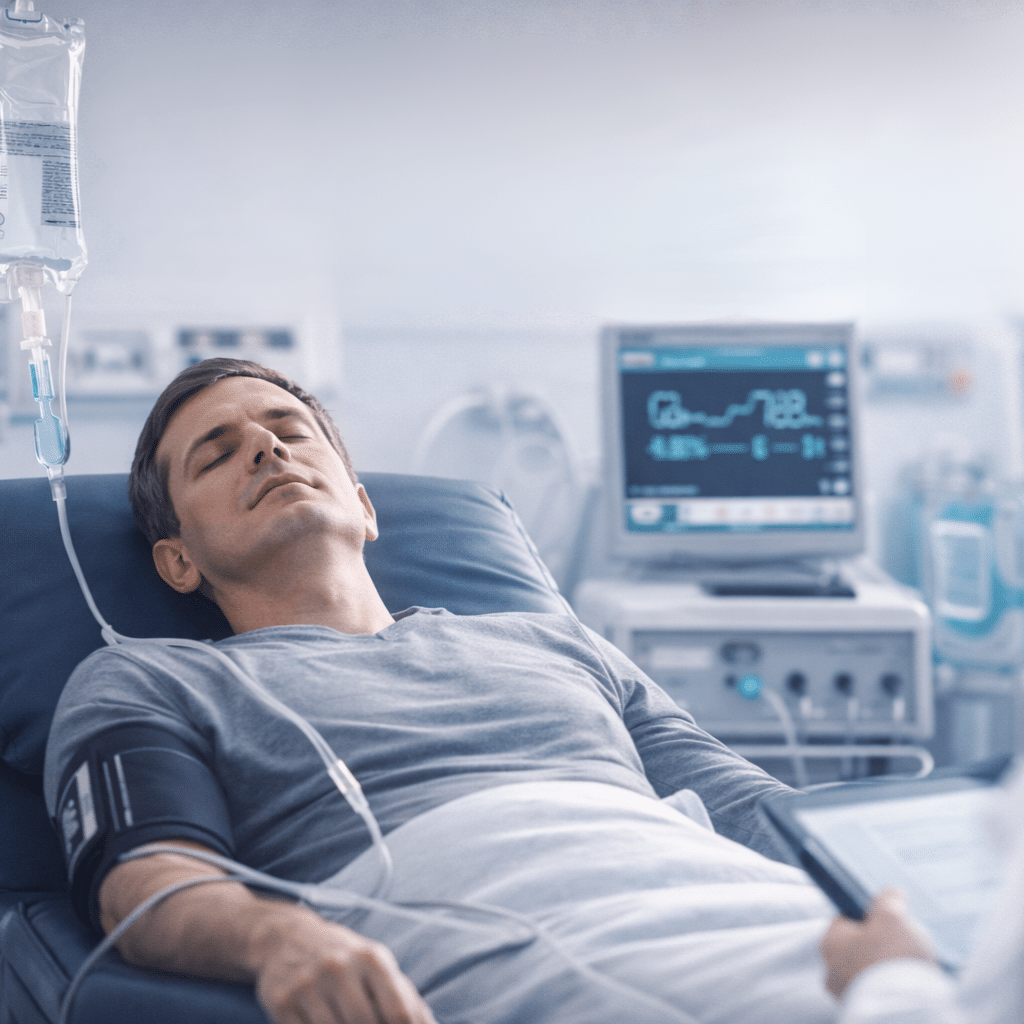
Ketamine has drawn attention in recent years for its potential to help people who have not improved with other treatments. Many patients explore ketamine therapy because they want a different path forward, and the early research offers real hope.
Still, understanding the experience also means looking at the temporary effects that tend to show up during and after a session. This blog tries to explain how these sensations fit into the therapeutic process and how a professional ketamine clinic keeps people safe and supported throughout.
Quick Answer Summary
Ketamine therapy can cause temporary side effects during and after treatment, including dissociation, dizziness, sedation, nausea, and mild confusion. These effects are expected, closely monitored, and typically resolve within a few hours in a supervised clinical setting. While side effects can feel unusual, they are generally short-lived, and clinics use structured protocols to ensure patient safety and comfort throughout the process.
Key Takeaways
- Most ketamine side effects are temporary and expected: Dissociation, dizziness, sedation, and nausea are commonly reported during supervised ketamine sessions. These effects usually peak during treatment and resolve within hours under observation.
- Dissociation is common — but not universal: Large-scale supervised data shows dissociation occurs in roughly 28–48% of sessions, meaning many patients experience little or none at all. Individual responses vary significantly.
- Clinical monitoring is what makes ketamine treatment safe: Blood pressure, oxygen levels, heart rate, and alertness are continuously monitored during and after dosing. FDA protocols require observation to ensure medical stability before discharge.
- Serious complications are rare in supervised care: National REMS data covering more than one million supervised treatments found severe respiratory events were extremely uncommon, reinforcing the importance of medical oversight.
- Side effects are not the same as treatment outcomes: While side effects are short-lived, therapeutic benefits typically unfold over days or weeks. Ketamine therapy is designed for symptom stabilization, not immediate mood resolution.
- Pre-screening protects patient safety: People with uncontrolled hypertension or certain cardiovascular conditions may not be good candidates. Thorough medical evaluation helps ensure ketamine therapy is used appropriately.
The Treatment Experience
During ketamine infusion therapy, most people notice changes that feel unusual at first but settle quickly. Clinics expect these sensations, and staff monitor patients closely while they unfold.
Dissociation is the effect people talk about most often. In FDA-reviewed studies on supervised esketamine, between 28% and 48% of patients reported some level of dissociation.
Many describe it as drifting, or a soft break from their usual sense of time. Researchers saw this in trials for treatment-resistant depression and for patients in acute crisis, which shows the effect appears across different groups.
Dizziness and light movement sensations also show up often. In the same FDA-reviewed study, dizziness ranged from the low 20% range to the mid-40s, depending on the condition being treated. These shifts usually peak during the active dosing window.
Sedation can blend into this phase as well. Real-world monitoring by Sanacora et al. from more than 1.4 million supervised sessions found sedation in roughly a third of them. That number sounds high until you remember that patients are reclined, supported, and observed for exactly this reason.
A controlled environment makes these sensations manageable. Staff watch blood pressure, breathing, and overall comfort, and they slow or pause dosing when needed. This hands-on approach is part of why supervised ketamine treatment feels structured rather than unpredictable.
Immediate & Short-Term Side Effects After Treatment
Once the infusion ends, most effects ease within a short window, although the body may still feel drained. In FDA-reviewed studies of acute depression, 29% of patients reported somnolence after treatment. The Sanacora et al. study showed sedation in 34.7% of sessions, which explains why many people plan a quieter day afterward.
Nausea shows up often enough to plan around it. In FDA-reviewed trials, nausea affected 25–29% of patients, depending on the study group. Clinics account for this with light pre-session guidance and supportive care. Headaches followed in 20% of cases and typically resolved within the required two-hour observation period.
Mild confusion or a lingering floaty feeling is possible. Most people describe it as mental fog rather than distress. The required observation period gives the body time to settle, and no one leaves until they are medically stable. Because of these short-term effects, clinics insist patients arrange a ride home and keep the rest of the day low-demand.
How Side Effects are Managed in a Clinical Setting
Supervised ketamine treatment for depression works only when safety stays front and center. Clinics screen patients beforehand, looking for medical issues, especially heart or blood pressure concerns, that might complicate the session.
Current FDA guidance requires a blood pressure check before dosing and another roughly forty minutes later, when levels often rise. If the initial reading is already high, providers slow down and decide whether it is safe to continue. This measured approach gives the team room to respond early, rather than reacting after a problem develops.
During the session, monitoring stays continuous. Staff track heart rate, breathing, and oxygen saturation because sedative effects can shift quickly. Serious respiratory problems remain rare, but they do happen. A 2024 analysis of national REMS data estimated about one case per 20,000 supervised treatments. It is a low figure, but not zero, which is why clinics keep emergency equipment and trained support on hand.
Support adjusts in real time. Providers watch closely and change the infusion pace if needed, offer relief for nausea, and keep the environment calm. Having someone guide the process often makes short-lived side effects feel more tolerable and less confusing as they arise.
Physical Considerations and Contraindications
The body responds dynamically to ketamine treatment, so clinicians pay attention to physical health from the start. Temporary increases in blood pressure and heart rate are common enough that every supervised protocol includes a plan for monitoring. FDA-reviewed studies showed consistent elevations across different patient groups, and VA guidance for intravenous treatment states the same.
Some patients ask about bladder risks because they have seen concerns online. Those issues come from chronic, high-dose recreational misuse, not from controlled medical use. Clinical dosing is far lower and spaced out in ways that avoid the patterns linked to long-term harm.
Contraindications still matter. People with uncontrolled hypertension, certain heart conditions, or other specific medical issues may not be good candidates. That is why a full history review happens before anyone schedules a session.
Providers look for red flags, but they also examine smaller details that could affect comfort or outcomes. That extra layer of caution supports a safer experience.
Setting Realistic Expectations
Side effects can feel unpredictable until you understand how they vary across individuals. Not every patient experiences the same sensations, and some report almost none. The large U.S. outpatient dataset showing dissociation in 41% of sessions also shows that more than half of the sessions did not experience it. The same goes for sedation and dizziness. Variability is the norm, not the exception.
Communicating with staff helps. If something feels too strong, too odd, or too distracting, clinicians can shift the session in real time. This responsive approach is part of why people often feel more confident after their first visit.
It also helps to remember that side effects tend to be temporary. The potential therapeutic changes evolve more slowly. Mood improvements reported in clinical research usually unfold over days or weeks, not minutes. Side effects come and go, but the goal of ketamine infusion therapy is stability that lasts far beyond the session itself.
Moving Forward With Clarity and Support
Anyone considering ketamine treatment in Sacramento, Roseville, and Folsom benefits from an open conversation about what the process involves. At Zeam, we emphasize safety, comfort, and transparency. We walk patients through the experience at a manageable pace. Contact our team if you want to explore whether this approach aligns with your recovery needs.
Citations
- FDA Spravato Prescribing Information (2025)
https://www.accessdata.fda.gov/drugsatfda_docs/label/2025/211243s019lbl.pdf - Sanacora et al., American Journal of Psychiatry (2024)
https://psychiatryonline.org/doi/10.1176/appi.ajp.20240655 - National REMS Safety Analysis (2024)
https://pmc.ncbi.nlm.nih.gov/articles/PMC11635826/