For decades, mental health treatments have relied on pharmaceuticals such as antidepressants and anti-anxiety medications. While these drugs have helped many, they often take weeks to show effects and can come with significant side effects.
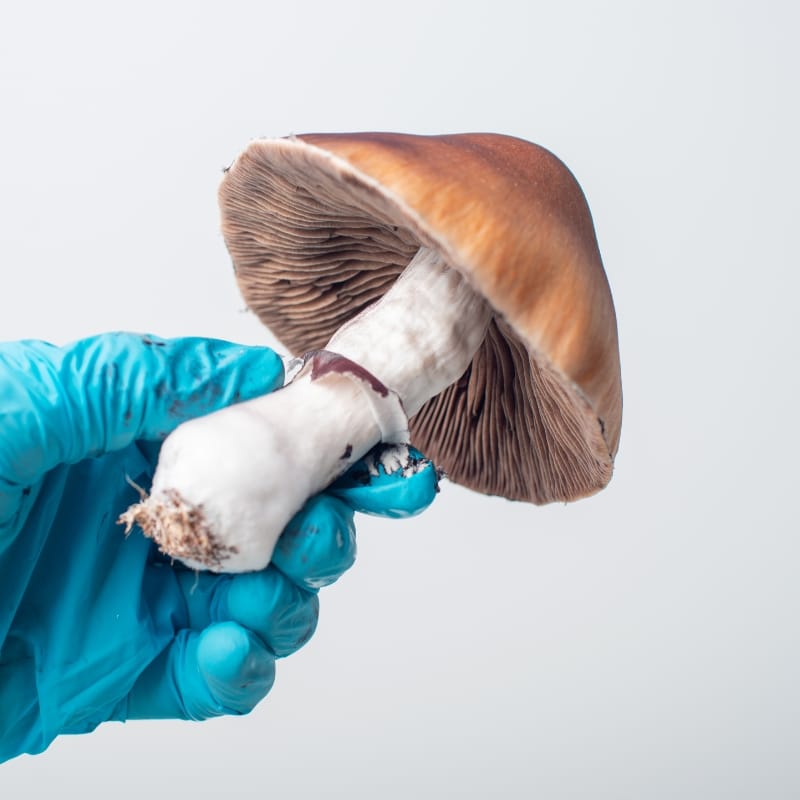
Recently, researchers have turned their attention to a different category of treatment: psychedelics. Substances such as psilocybin, MDMA, LSD, and ayahuasca are now being studied for their ability to treat conditions like depression, post-traumatic stress disorder (PTSD), and anxiety. The potential of these plant-based medicines is sparking conversation in the medical community and among those seeking alternative therapies.
Psychedelic-assisted therapy, which combines controlled psychedelic experiences with psychotherapy, is showing promise in clinical trials. Researchers are investigating how these substances work on the brain, why they may be effective for treatment-resistant conditions, and how they could be integrated into mainstream healthcare.
Quick Answer Summary
Psychedelic-assisted therapy is emerging as a promising treatment option for conditions such as depression, PTSD, anxiety, and addiction. Research suggests substances like psilocybin and MDMA may help promote neuroplasticity, reduce harmful thought patterns, and create lasting symptom improvement when combined with professional psychotherapy. While results are encouraging, these treatments require careful clinical supervision and continue to be studied for long-term safety and effectiveness.
Key Takeaways
- Psychedelics such as psilocybin, MDMA, LSD, and ayahuasca are being studied as potential treatments for depression, PTSD, anxiety, and substance use disorders.¹
- Psychedelics appear to increase neuroplasticity and reduce activity in brain networks associated with rumination and negative thought patterns.²
- Clinical trials have demonstrated rapid improvements in depressive symptoms following psilocybin-assisted therapy, often faster than traditional antidepressants.¹ ³
- MDMA-assisted therapy has shown significant success in helping patients with treatment-resistant PTSD process traumatic experiences more effectively.⁴
- Psychedelic-assisted therapy has also shown promise for reducing end-of-life anxiety and improving emotional well-being among patients facing serious illnesses.⁵
- Researchers are exploring psychedelic therapies as potential tools for addiction treatment, including alcohol and substance use disorders.⁶
- While results are encouraging, psychedelic treatments can produce intense psychological effects and should only be administered under professional clinical supervision.² ⁶
How Psychedelics Affect the Brain
Psychedelics work by interacting with the brain’s serotonin receptors, particularly the serotonin 2A receptor (5-HT2A). This interaction increases neuroplasticity, allowing the brain to reorganize and form new connections. Studies suggest that psychedelics help repair neural circuits linked to mood regulation, particularly in individuals with treatment-resistant depression and PTSD.
Brain imaging studies have shown that psychedelics reduce default mode network (DMN) activity, the part of the brain responsible for self-reflection and rumination. Overactivity in this region is associated with depression and anxiety. By dampening this activity, psychedelics may help patients break negative thought patterns and see their experiences from a different perspective.
MDMA, often associated with recreational drug use, has been studied for its ability to enhance emotional processing and reduce fear responses. This makes it particularly effective for individuals suffering from PTSD, as it allows them to revisit traumatic memories with less emotional distress.
The Evidence Behind Psychedelic Therapy
Over the past decade, research into psychedelic-assisted therapy has accelerated. Several clinical trials have produced compelling evidence that these substances could be game-changers for mental health.
| Psychedelic Treatment | Primary Mental Health Focus | Key Research Findings |
|---|---|---|
| Psilocybin-Assisted Therapy | Major Depressive Disorder (MDD) | Clinical trials found rapid and sustained improvements in depressive symptoms following a single therapeutic dose when combined with psychological support. |
| MDMA-Assisted Therapy | Post-Traumatic Stress Disorder (PTSD) | Phase 3 studies found that many participants no longer met PTSD diagnostic criteria after treatment, showing significant symptom reduction compared to placebo groups. |
| Psilocybin for End-of-Life Anxiety | Anxiety and Depression Related to Serious Illness | Research involving cancer patients found substantial improvements in mood, anxiety, and overall well-being that persisted for several months. |
| Ayahuasca-Assisted Therapy | Substance Use Disorders | Early research suggests reduced cravings and increased motivation to address addictive behaviors. |
| MDMA for PTSD and Alcohol Use Disorder | Co-Occurring PTSD and Addiction | Preliminary studies show promise in improving trauma symptoms while supporting recovery from alcohol misuse. |
Psilocybin and Depression
A recent placebo-controlled clinical trial tested the effects of a single 25-mg dose of psilocybin on 104 adults with major depressive disorder. The results showed a fast and lasting improvement in depressive symptoms, especially when paired with psychological support.
Unlike traditional antidepressants, which can take weeks to work, the effects of psilocybin were seen much sooner. No serious side effects were reported, making it a potentially safe option.
While more research is needed, this study suggests psilocybin could be a breakthrough treatment for people struggling with depression that does not respond to other therapies.
MDMA and PTSD
A Phase 3 clinical trial at UCSF found that 71 percent of participants no longer met the diagnostic criteria for PTSD after undergoing MDMA-assisted therapy, compared to 48 percent in the placebo group.
Psychedelics and End-of-Life Anxiety
A clinical trial involving 29 cancer patients found that a single moderate dose of psilocybin, combined with psychotherapy, led to rapid and lasting relief from anxiety and depression. Patients reported feeling less hopeless and more at peace with their diagnosis.
The effects were still strong at 6.5 months, with 60–80% of participants showing significant improvement in mood and overall well-being. Psilocybin also helped patients develop a more positive outlook on life and death.
Why Psychedelics Are Gaining Recognition
Psychedelics have a complicated history. Research in the 1950s and 1960s showed promise, but political and cultural backlash led to strict drug laws that halted clinical studies. Over the past decade, attitudes have shifted as modern science has rekindled interest in their potential benefits.
One reason for the renewed attention is the growing mental health crisis. Millions of people worldwide struggle with treatment-resistant depression, PTSD, and addiction, yet conventional therapies do not always provide relief. Psychedelic therapy offers an alternative for individuals who have exhausted other options.
Another factor driving interest is the speed of results. Traditional antidepressants can take weeks or months to work. In contrast, psychedelics have been shown to produce significant improvements within hours or days. For individuals battling suicidal thoughts or severe trauma, this rapid effect could be life-saving.
Psychedelics and Addiction Treatment
In addition to treating mood disorders, psychedelics are being explored for their potential in substance abuse treatment. Addiction is notoriously difficult to overcome, with relapse rates remaining high for alcohol, nicotine, and opioid dependency.
- Research on ayahuasca-assisted therapy suggests that the substance reduces cravings and increases the motivation to quit addictive behaviors.
- MDMA-assisted therapy is also being tested for individuals with co-occurring PTSD and alcohol use disorder, with early results showing significant improvement.
Safety Considerations and Risks
Despite the promising results, psychedelic therapy is not without risks. These substances induce intense psychological experiences, which can be overwhelming or distressing if not properly managed. Side effects may include temporary anxiety, hallucinations, increased heart rate, and nausea.
A 2023 survey of over 2,300 psilocybin users found that 11 percent experienced persisting mood fluctuations or depressive symptoms weeks after use. Researchers stress the importance of professional supervision to ensure safe and effective treatment.
Psychedelics are not recommended for individuals with a history of psychotic disorders due to the risk of triggering severe mental health episodes. Further research is still needed to fully understand their long-term effects.
The Future of Psychedelic Medicine
The FDA is currently reviewing applications for MDMA-assisted therapy for PTSD. If approved, it would mark a significant milestone in mental health treatment, potentially paving the way for psilocybin and other psychedelics to receive medical recognition.
Scientists continue to explore new applications for psychedelics, including their potential in treating obsessive-compulsive disorder (OCD), eating disorders, and chronic pain conditions. As public perception evolves, the conversation around plant medicine is likely to grow.
Breaking Barriers in Mental Health Care
The resurgence of psychedelics in medical research is changing how we approach mental health treatment. With mounting evidence supporting their effectiveness, these substances could revolutionize care for individuals struggling with PTSD, depression, anxiety, and addiction.
At Zeam Health & Wellness, we believe in providing innovative, science-backed treatments for mental health. Whether you are seeking psychiatry, psychotherapy, neurofeedback, transcranial magnetic stimulation (TMS), or other holistic approaches, we are here to help.
If you are interested in learning more about breakthrough mental health treatments, contact us today to explore your options.
Citations
- https://jamanetwork.com/journals/jama/fullarticle/2808950
- https://pmc.ncbi.nlm.nih.gov/articles/PMC10032309/
- https://www.nature.com/articles/s41591-023-02565-4
- https://www.sciencedirect.com/science/article/abs/pii/S0165178124001719
- https://journals.sagepub.com/doi/full/10.1177/0269881116675512
- https://www.frontiersin.org/journals/psychiatry/articles/10.3389/fpsyt.2023.1199642/full