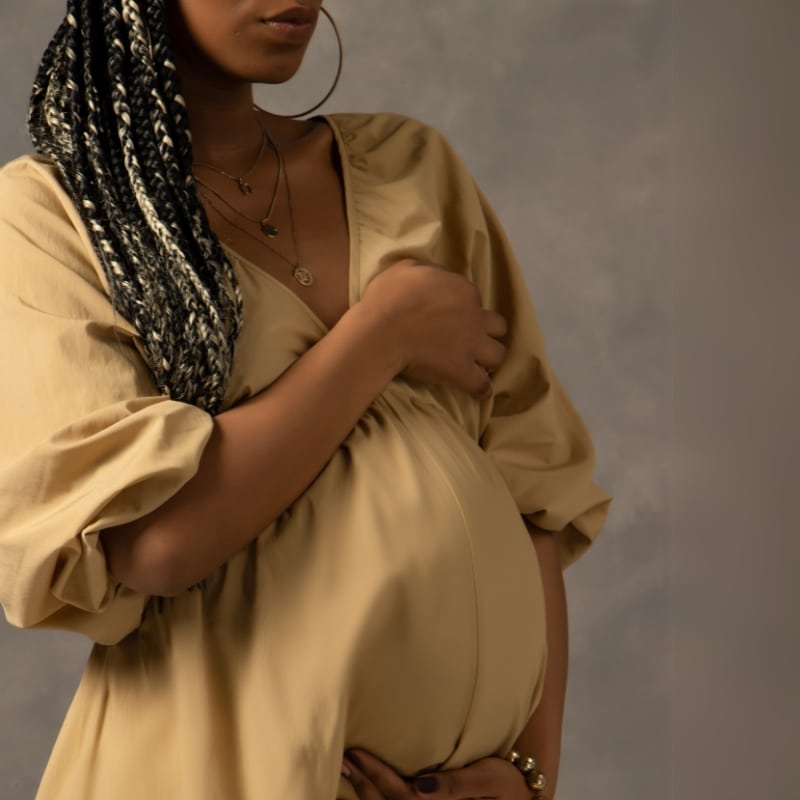
High blood pressure during pregnancy is becoming more common, and it is raising serious concerns among doctors and researchers. A study published in the Journal of the American Heart Association found that cases of hypertensive disorders of pregnancy (HDP) have nearly doubled in the past decade. The research looked at more than 51 million live births in the United States between 2007 and 2019. It found a sharp increase in high blood pressure related to pregnancy, especially after 2014.
High blood pressure during pregnancy can be dangerous for the mother and baby. The risks include complications like preeclampsia, organ damage, premature birth, and even death in extreme cases. The most worrying thing is that the risks do not stop once the baby is born. Many women continue to struggle with blood pressure issues long after pregnancy, which can lead to serious heart problems later in life.
Quick Answer Summary
Cases of high blood pressure during pregnancy have nearly doubled in the United States over the past decade, increasing the risks of complications like preeclampsia, premature birth, and long-term heart disease. Research shows that factors such as obesity, delayed pregnancies, chronic health conditions, and healthcare disparities are contributing to the rise. Monitoring blood pressure before, during, and after pregnancy is critical for protecting both maternal and long-term cardiovascular health.
Key Takeaways
- Hypertensive disorders of pregnancy (HDP) nearly doubled in the United States between 2007 and 2019.¹
- High blood pressure during pregnancy increases the risk of preeclampsia, premature birth, organ damage, and long-term cardiovascular disease.¹
- Women over 35 face a higher risk of pregnancy-related hypertension due to age-related cardiovascular changes.¹
- Obesity, poor diet, diabetes, kidney disease, and pre-existing hypertension are major contributors to rising pregnancy-related blood pressure disorders.¹
- Black women are disproportionately affected by hypertensive pregnancy complications due to ongoing healthcare disparities.¹
- Women who develop hypertension during pregnancy are more likely to experience chronic hypertension, stroke, kidney disease, and heart disease later in life.²
- Postpartum hypertension and postpartum preeclampsia can develop even after delivery, making continued blood pressure monitoring essential.²
- Lifestyle changes such as healthy eating, exercise, routine monitoring, and consistent prenatal care can help reduce the risk of pregnancy-related hypertension.¹²
Why High Blood Pressure During Pregnancy Is Becoming More Common
So, what is causing this rise in pregnancy-related high blood pressure? There is no single answer, but researchers have identified a few key factors:
Women Are Having Babies Later in Life
More women are waiting longer to have children. While this is not necessarily a bad thing, pregnancy often puts extra stress on the body. Women over 35 are at a higher risk for developing high blood pressure during pregnancy because the heart and blood vessels naturally become less flexible with age.
Obesity and Poor Diet Are Major Risk Factors
Over the years, the US has seen a rise in obesity and poor nutrition. Most people nowadays are consuming unhealthy fats, processed foods, and foods high in sodium. Poor nutrition is closely linked to high blood pressure. For pregnant women, years of poor diet can lead to long-term high blood pressure.
Underlying Health Conditions Are Becoming More Common
Conditions like diabetes, kidney disease, and pre-existing hypertension can increase the risk of developing high blood pressure during pregnancy. More women are being diagnosed with these conditions at younger ages, which could be contributing to the rise in pregnancy-related hypertension.
Racial Disparities in Healthcare
According to studies, Black women are disproportionately affected by hypertensive pregnancy disorders. Black women have long faced higher risks of complications during pregnancy, and systemic issues in healthcare access and treatment continue to play a role.
What Happens When Blood Pressure Spikes During Pregnancy?
Pregnancy is already a workout for the heart. Blood volume increases by 40 percent, and the heart is forced to pump harder to support both the mother and baby. When blood pressure goes too high, it can lead to serious complications.
The most common hypertensive pregnancy disorders include:
- Gestational Hypertension: High blood pressure that develops after 20 weeks of pregnancy but without signs of organ damage.
- Preeclampsia: A more severe condition where high blood pressure is accompanied by kidney or liver problems. This can lead to premature birth or complications for the mother.
- Eclampsia: A dangerous progression of preeclampsia that involves seizures, which can be life-threatening.
The scariest part is that some women do not even realize they have high blood pressure until it is too late. Symptoms like swelling, headaches, and dizziness are often brushed off as normal pregnancy discomforts. Therefore, regular check-ups are so important.
What Happens After Pregnancy?
Many people assume that high blood pressure during pregnancy is temporary. They expect that once the baby is born, everything goes back to normal. However, that’s usually not the case.
Women who experience high blood pressure during pregnancy are twice as likely to develop chronic hypertension later in life. They are also at higher risk for heart disease, stroke, and kidney problems.
Postpartum high blood pressure is another issue. Some women develop postpartum preeclampsia after giving birth, even if their blood pressure was normal during pregnancy. This condition can cause life-threatening complications days or even weeks after delivery.
This is why continued blood pressure monitoring is so important, even after pregnancy.
How to Lower the Risk of High Blood Pressure
The good news is that there are ways to reduce the risk of hypertension before, during, and after pregnancy.
Before Pregnancy
- Eat a balanced diet: Focus on whole foods, fruits, vegetables, and lean proteins.
- Exercise regularly: Even light activity like walking can help.
- Check your blood pressure: If it is high, work with a doctor to bring it down before getting pregnant.
- Manage chronic conditions: Diabetes, kidney disease, and obesity should be addressed early.
During Pregnancy
- Attend all prenatal check-ups: Early detection of high blood pressure can save lives.
- Monitor blood pressure at home: Invest in a home blood pressure monitor if you are at risk.
- Watch for warning signs: Persistent headaches, vision changes, and sudden swelling are red flags.
After Pregnancy
- Continue blood pressure monitoring: Postpartum hypertension can sneak up unexpectedly.
- Make heart health a priority: If you had hypertension during pregnancy, take steps to protect your heart long-term.
- Stay active and eat well: The lifestyle habits that help during pregnancy will also benefit long-term heart health.
Why This Matters Even If You Are Not Pregnant
High blood pressure is a serious long-term health concern. The same factors that contribute to hypertension during pregnancy can lead to high blood pressure in anyone.
Pregnancy simply reveals underlying heart health problems that might have gone unnoticed. Many women who develop hypertension during pregnancy will continue to struggle with high blood pressure for years if they do not take action.
How Zeam Health & Wellness Comes In
If you have ever had a chronic disease, such as high blood pressure, whether during pregnancy or at any other time, you need to take action now. Managing blood pressure early reduces the risk of heart disease, stroke, and kidney failure down the road.
At Zeam Health & Wellness, our preventative care services offer:
- Personalized blood pressure management plans tailored to your needs.
- Medical monitoring and lifestyle support to help you stay on track.
- Advanced treatments and expert guidance to keep your heart healthy.
If you are concerned about your blood pressure, do not wait. Schedule an appointment with Zeam Health & Wellness and take the first step toward a healthier future.
Citations
- Trends in Hypertensive Disorders of Pregnancy in the United States. Journal of the American Heart Association. https://www.ahajournals.org/doi/epub/10.1161/JAHA.121.023791
- Long-Term Cardiovascular Risks Associated With Hypertensive Disorders of Pregnancy. https://pmc.ncbi.nlm.nih.gov/articles/PMC4171100/pdf/nihms624896.pdf