
Brain Nutrients: What Patients Should Know About Food and Mental Health

Questions about brain nutrients often come up when patients start looking at mental health and nutrition. What should I eat? Do I need a supplement? Could a deficiency be affecting how I feel? Nutrients are involved in normal brain and nervous-system function, from cell membranes to neurotransmitter production. That does not mean extra amounts will […]
Women’s Emotional Health: When “Pushing Through” Stops Working

Many women get through the day by simply not stopping. Work continues, kids get fed, deadlines get met, and everyone around them assumes things are fine. Underneath that, some days feel a little more exhausting, a little more irritable, or a little more disconnected than they used to, and it can be hard to say […]
What Causes Bipolar Disorder? Why There Is Rarely One Simple Answer

When someone receives a bipolar disorder diagnosis, one of the first questions they may ask is why. There may not be a neat answer. Researchers have not traced what causes bipolar disorder to one gene, one change in the brain, or one event in a person’s life. Instead, several influences seem to be involved. Genetics […]
PTSD Symptoms: When the Body Still Feels Stuck After Trauma

Something can happen once and still show up in the body years later. A car backfires and a person’s heart pounds before they even register the sound. A hallway smells like a hospital, and their stomach tightens for no clear reason. The mind understands that the danger has passed. The body doesn’t always agree. That […]
Psychodynamic Therapy: How It Helps Patients Understand Patterns

Why do you keep reacting the same way, even when you can see it isn’t helping? Maybe you pull back the moment a conversation turns tense, say yes to more than you can handle, or brace for rejection before anyone has said anything unkind. These patterns can feel automatic, like they’re running the show before […]
Group Therapy Benefits: Why Shared Support Can Be Powerful

Feeling stuck can be hard enough. Feeling like no one around you understands can make it feel heavier. Many people carry mental health struggles quietly, even with friends and family close by, because the weight of anxiety, grief, or trauma is hard to put into words for someone who hasn’t lived through it. Group therapy […]
Social Anxiety Group Therapy: What to Expect Before Joining
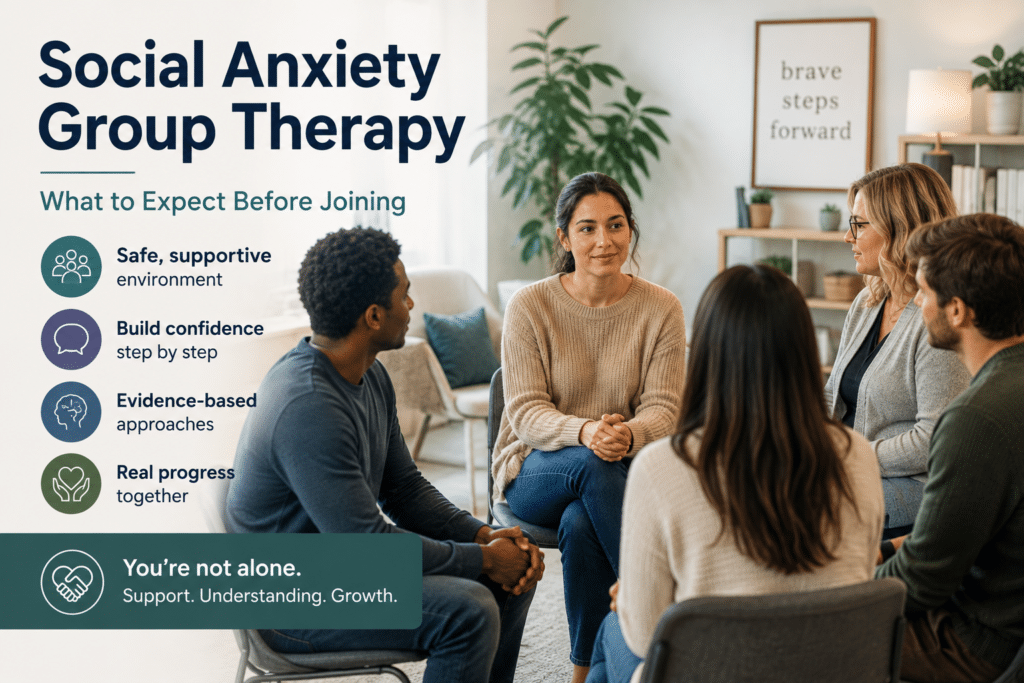
Before anyone sits down for a first group session, the questions pile up. Will I have to speak right away? What am I supposed to share, and how much? What if everyone else already feels comfortable and I am the only one who feels out of place? Wanting help and dreading the format that help […]
PTSD Treatment Options: How Different Approaches Support Recovery

Two people can go through very different events, receive the same PTSD diagnosis, and still need very different care. PTSD can affect sleep, concentration, mood, relationships, and the way a person reacts to reminders of what happened. Because it shows up in so many ways, no single fixed process works for everyone. Individualized care does […]
Types of OCD: Why Compulsions Are Not Always Visible
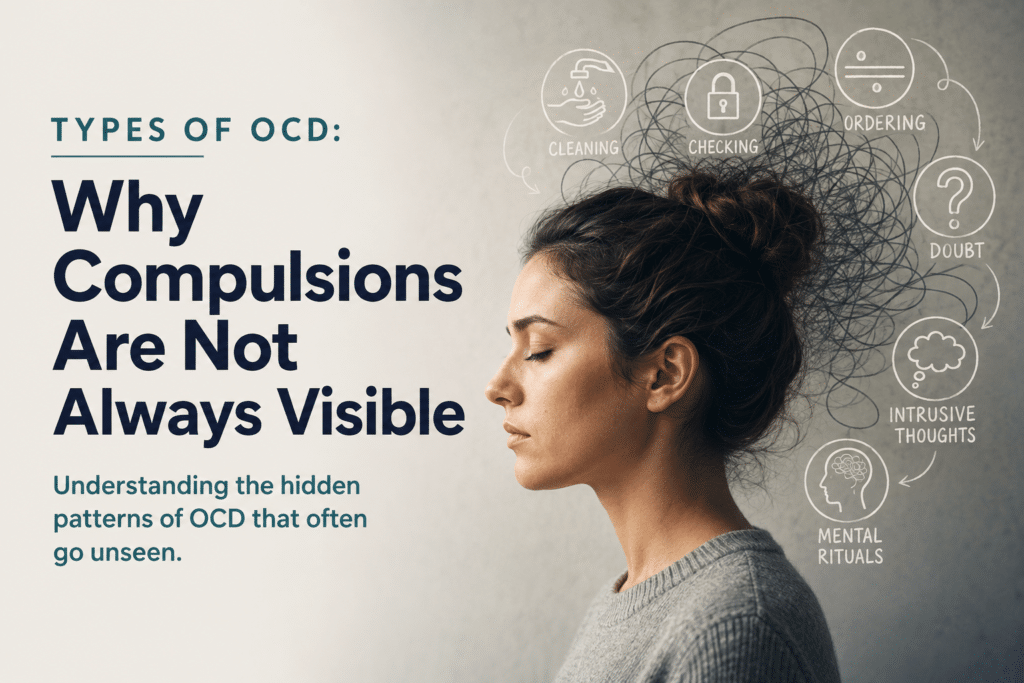
Most people picture obsessive-compulsive disorder (OCD) as washing hands too often or checking a lock repeatedly before leaving the house. That picture isn’t wrong, but it’s incomplete. A lot of what OCD looks like happens quietly, inside someone’s head, where nobody else can see it. Understanding the different types of OCD starts with recognizing that […]
Bipolar Depression: Why It Can Be Difficult to Identify

Someone comes in feeling exhausted, flat, and unable to concentrate. They have lost interest in things they once enjoyed, and getting through the day takes more effort than it should. Those symptoms understandably point toward depression. But when depression keeps returning or has not improved with depression treatment, clinicians may need to look beyond the […]