
Social Anxiety Group Therapy: What to Expect Before Joining
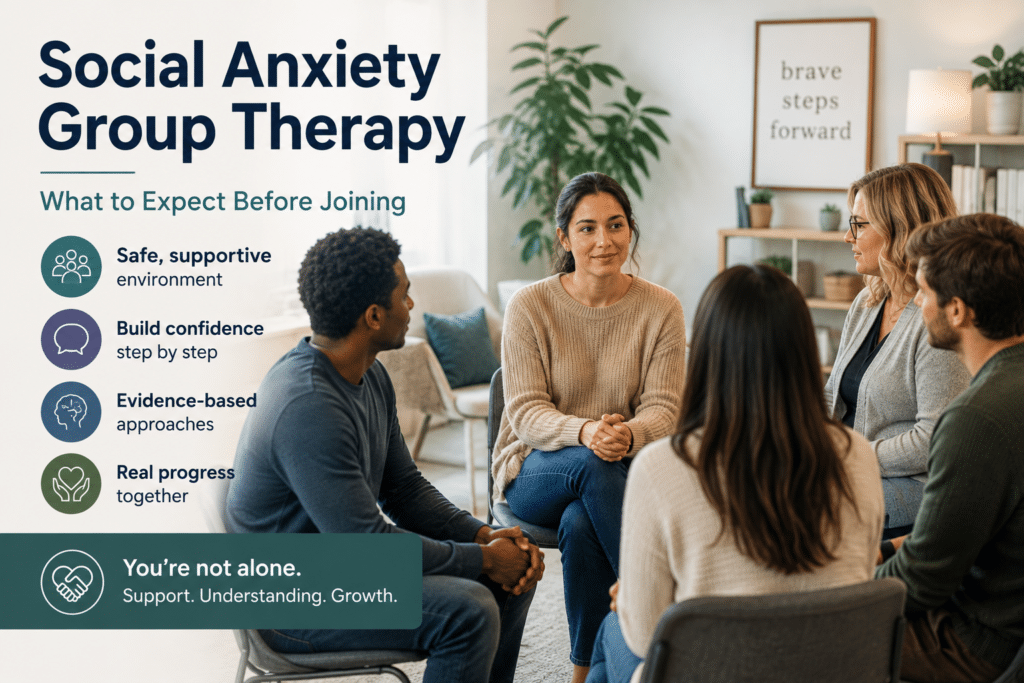
Before anyone sits down for a first group session, the questions pile up. Will I have to speak right away? What am I supposed to share, and how much? What if everyone else already feels comfortable and I am the only one who feels out of place? Wanting help and dreading the format that help […]
PTSD Treatment Options: How Different Approaches Support Recovery

Two people can go through very different events, receive the same PTSD diagnosis, and still need very different care. PTSD can affect sleep, concentration, mood, relationships, and the way a person reacts to reminders of what happened. Because it shows up in so many ways, no single fixed process works for everyone. Individualized care does […]
Types of OCD: Why Compulsions Are Not Always Visible
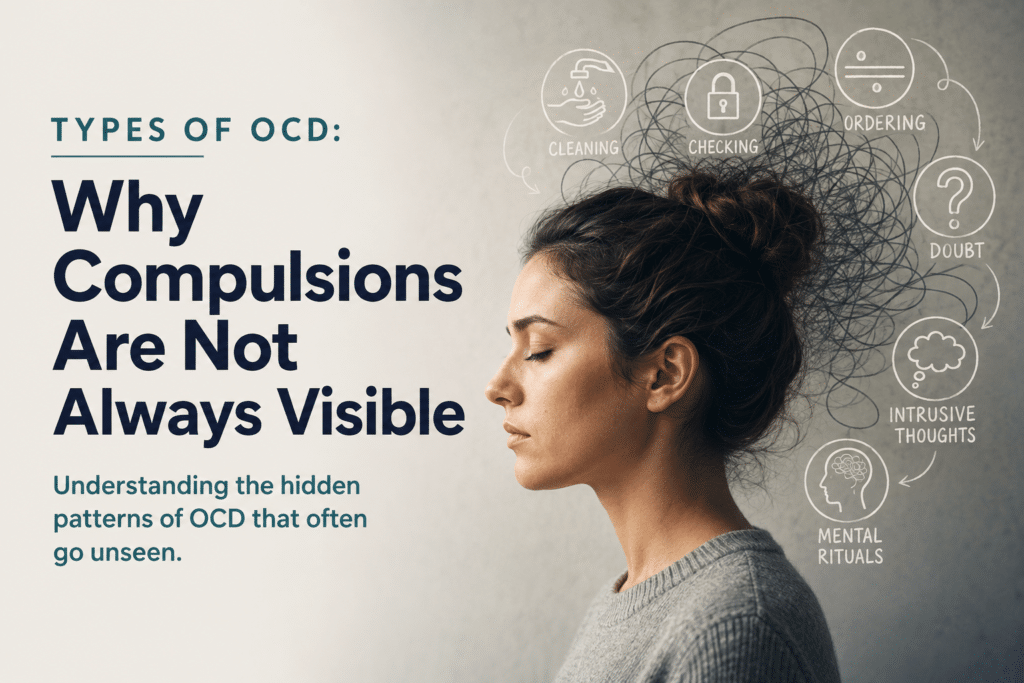
Most people picture obsessive-compulsive disorder (OCD) as washing hands too often or checking a lock repeatedly before leaving the house. That picture isn’t wrong, but it’s incomplete. A lot of what OCD looks like happens quietly, inside someone’s head, where nobody else can see it. Understanding the different types of OCD starts with recognizing that […]
Bipolar Depression: Why It Can Be Difficult to Identify

Someone comes in feeling exhausted, flat, and unable to concentrate. They have lost interest in things they once enjoyed, and getting through the day takes more effort than it should. Those symptoms understandably point toward depression. But when depression keeps returning or has not improved with depression treatment, clinicians may need to look beyond the […]
Women’s Mental Health Issues That Are Often Overlooked

You may still be getting everyone where they need to go, finishing your work, and keeping track of what comes next. From the outside, little seems to have changed. Yet, your patience is shorter, sleep feels less restorative, or focusing takes more effort than it used to. That is one reason women’s mental health issues […]
Anxiety Treatment at Home: What Can Help Between Appointments

You leave your appointment with a good idea, maybe a grounding exercise or a new way to check a worried thought. Then Tuesday happens. Work piles up, the exercise slips your mind, and by the time anxiety spikes again, you can’t remember what you meant to do. That gap between learning a skill and reaching […]
What Are the Symptoms of Depression that People Often Minimize?

Most people expect depression to feel like sadness. So, when the change shows up as a shorter temper, a stack of unfinished tasks, or a quiet pull away from friends, it is easy to reach for an ordinary explanation: “I’m just tired.” “Work has been a lot.” “I need some space.” “I’ve lost my motivation.” […]
EMDR Online: What Changes and What Stays the Same

Most people picture EMDR as something physical. You sit across from a therapist, follow their hand with your eyes, and let the back-and-forth motion do its work. So, when the whole thing moves to a video call, a fair question comes up: Does it still count? That doubt makes sense, but it rests on a […]
Reproductive Psychiatry: When Mental Health and Life Stages Overlap

Something shifts. Sleep thins out, the irritability starts showing up a week earlier every month, or a familiar heaviness settles in four months after a baby is born. Bring it up, and the answer is usually one of two things: It’s hormones, or it’s just this stage of life. Neither response is exactly wrong, and […]
How Mental Health Symptoms Can Affect Work Performance and Concentration

Most people have had a rough week at work: scattered focus, a missed deadline, or difficulty getting words out in a meeting. But for adults managing anxiety symptoms or depression, those bad days can become the baseline. Mental health conditions don’t stay contained in the personal parts of life. They follow people into their jobs, […]