
How Ketamine Infusion Therapy Works for Depression Treatment
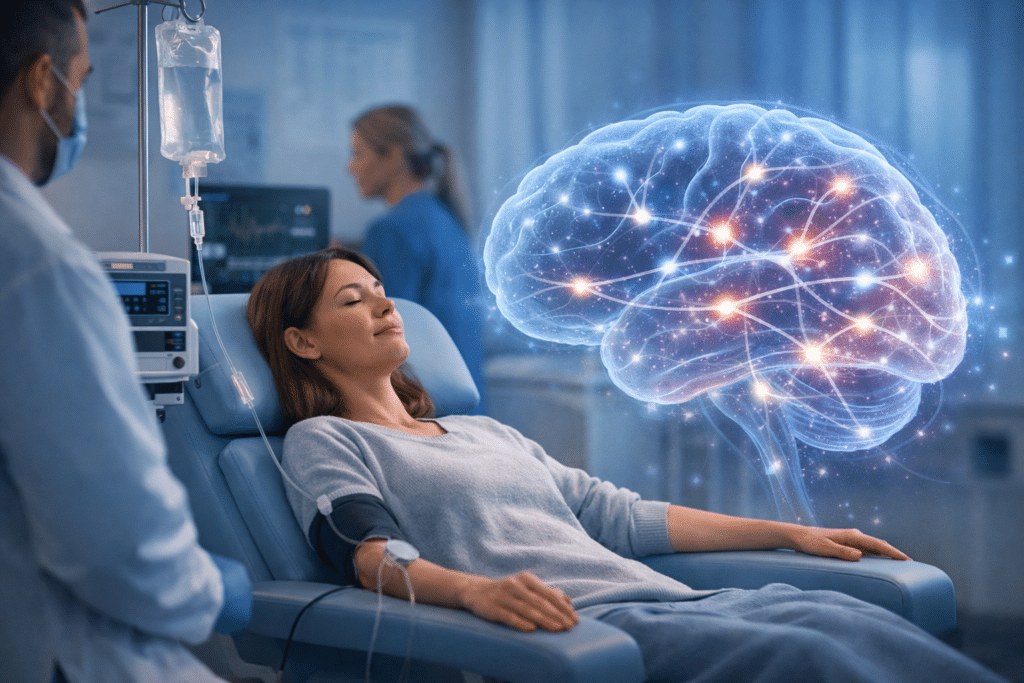
If you’ve tried antidepressants and nothing has stuck, you know how exhausting that process gets. The adjustments, the waiting, the side effects, and then starting over with something new. For people dealing with treatment-resistant depression, that cycle can go on for years. Standard depression treatment options tend to work through the same basic pathway, which […]
What Influences Long-term Outcomes After Ketamine Infusion Therapy
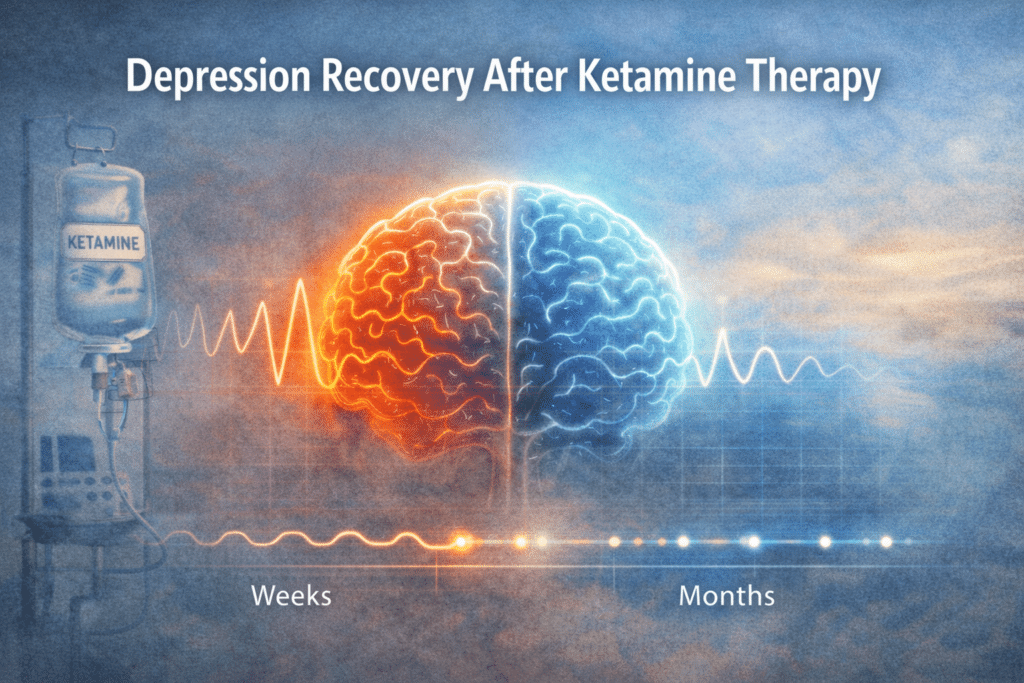
Ketamine infusion therapy works fast. That’s well established. For people with treatment-resistant depression who have been stuck for months or years, the idea of relief within hours rather than weeks is genuinely significant. But speed isn’t the same as durability, and the initial response to a ketamine infusion series is only part of the clinical […]
How to Talk to Family About Starting Ketamine Treatment

Starting ketamine treatment for depression takes courage, and talking to family about it takes even more. You may feel ready for help but unsure how the people closest to you will react. Some worries come from outdated ideas about the drug. Some come from love. Either way, you deserve a conversation grounded in facts, not […]
IV Ketamine for Depression: What Patients Often Ask Before Starting

Exploring IV ketamine for depression can feel like standing in two places at once. Part of you wants relief, and part of you wonders what you are walking into. That hesitation makes sense. Big treatments deserve real questions, especially when you have already tried other options, and you still feel stuck. This article answers the […]
What “Response,” “Partial Response,” and “Remission” Mean in Ketamine Treatment
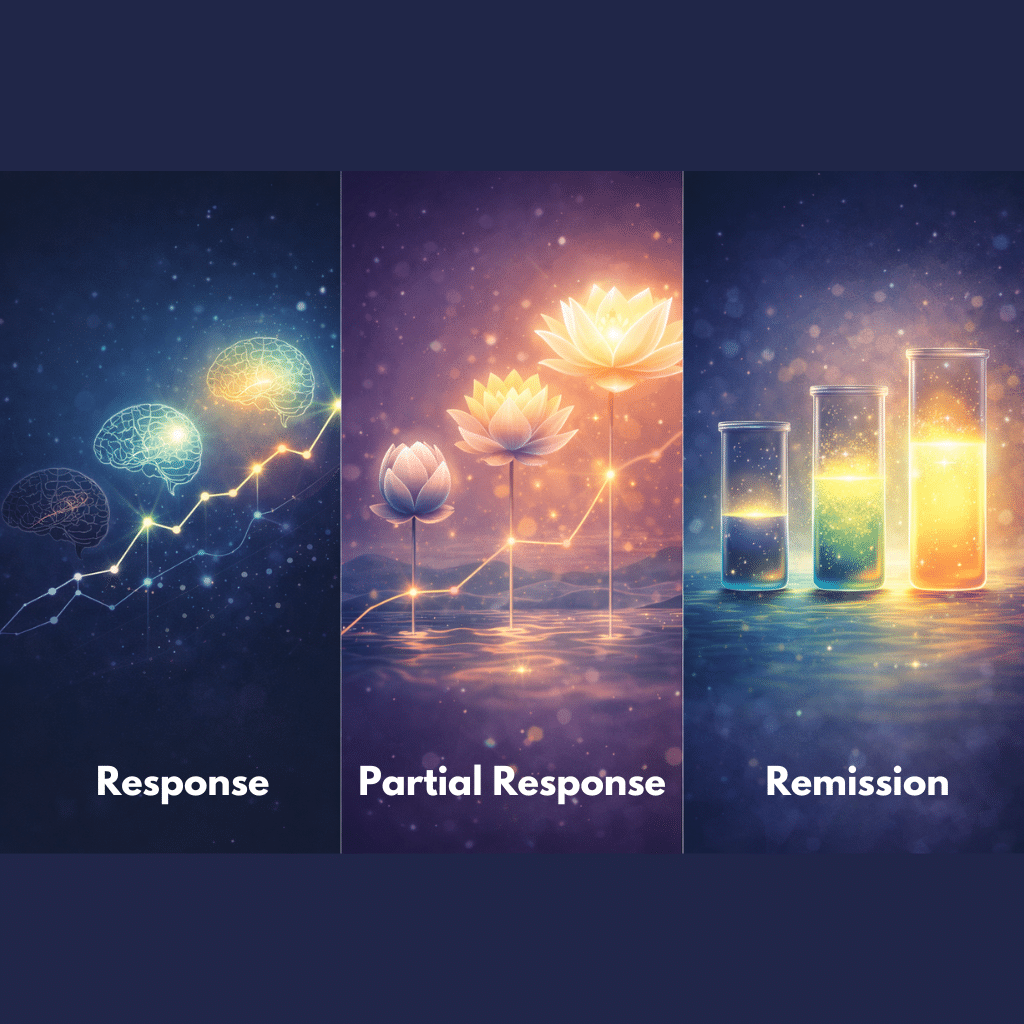
Many people starting ketamine treatment for depression hear words like “response” or “remission” early in the process, although the meaning behind these labels may not feel obvious. Clinicians rely on them because they turn symptom change into something measurable and comparable over time. That structure helps patients see patterns that might be harder to notice […]
Ketamine Therapy Side Effects: What Patients Should Expect

Ketamine has drawn attention in recent years for its potential to help people who have not improved with other treatments. Many patients explore ketamine therapy because they want a different path forward, and the early research offers real hope. Still, understanding the experience also means looking at the temporary effects that tend to show up […]
How Clinicians Measure Progress During Ketamine Treatment

People often describe a ketamine day in simple terms: “I felt lighter,” or “I felt weird,” or “I did not feel much at all.” Clinicians listen to that, but they do not stop there. They look for patterns that repeat across sessions, especially during the first few weeks, because the real question is not whether […]
How Ketamine Helps Your Brain Create New Thought Pathways

Depression can make a person feel trapped in patterns they cannot shift, even when they do everything their doctors recommend. Many people cycle through multiple antidepressants with little relief. At some point, the question becomes less about willpower and more about biology. Why does the brain get stuck, and what does it take to help […]