
How EMDR Treatment Is Integrated Into a Broader Care Plan
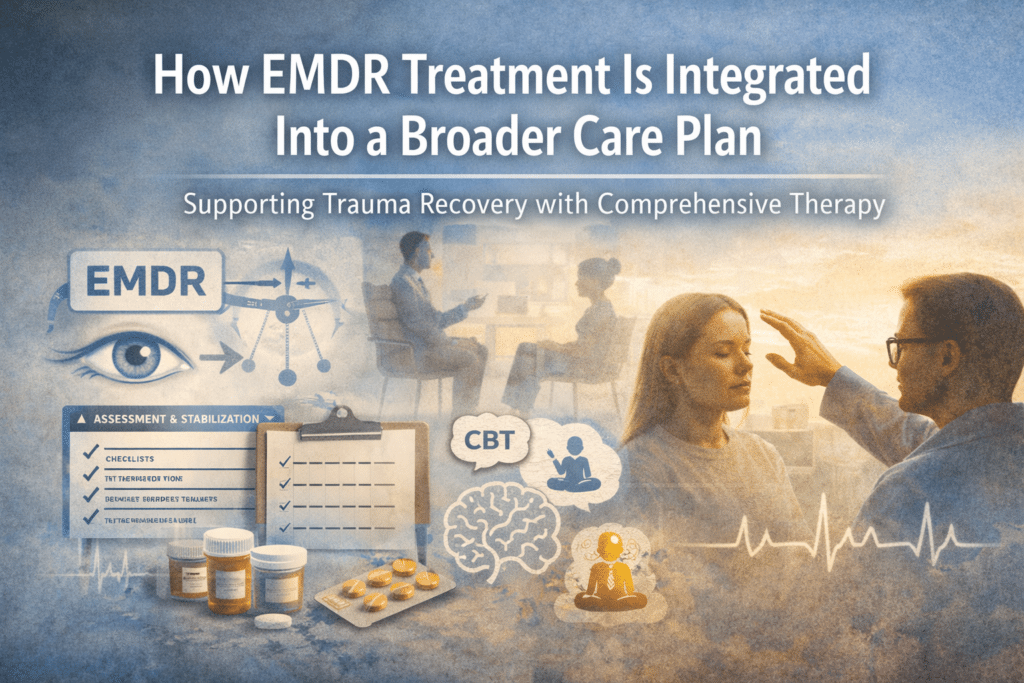
EMDR treatment has a strong reputation in trauma care, and the research backs that up. But the way it works in practice is usually more layered than people expect. EMDR sits inside a larger structure, one that includes assessment, preparation, other forms of therapy, and sometimes medication. That structure is what makes it effective. This […]
What Is EMDR Therapy Used for Beyond PTSD

Most people know EMDR for PTSD, and that reputation is earned. The VA still treats it as one of the core trauma-focused approaches, and in practice, many clinicians start there when they explain what this therapy does. But that is not the whole story. EMDR therapy also shows up in treatment plans for people who […]
The Science Behind EMDR: Why It’s More Than Just ‘Eye Movements’

EMDR therapy may not appear to be that complex on the surface. You are instructed to either follow the therapist’s hand or a blinking light while focusing on something distressing. That’s it? That reaction is common and fair. The idea that eye movements could help heal deep psychological wounds feels hard to believe. What most […]
Is EMDR Therapy Evidence-Based? What Research Says in 2025

EMDR therapy often raises eyebrows. At first glance, it sounds a little odd: Move your eyes back and forth while thinking about something painful? That doesn’t exactly scream “scientific.” For some, it even sounds like pseudoscience wrapped in psychology jargon. Despite the skepticism, EMDR has stuck around for decades. Not only that, but it has […]
Mental Health in Sacramento: Why More People Are Seeking Holistic Alternatives
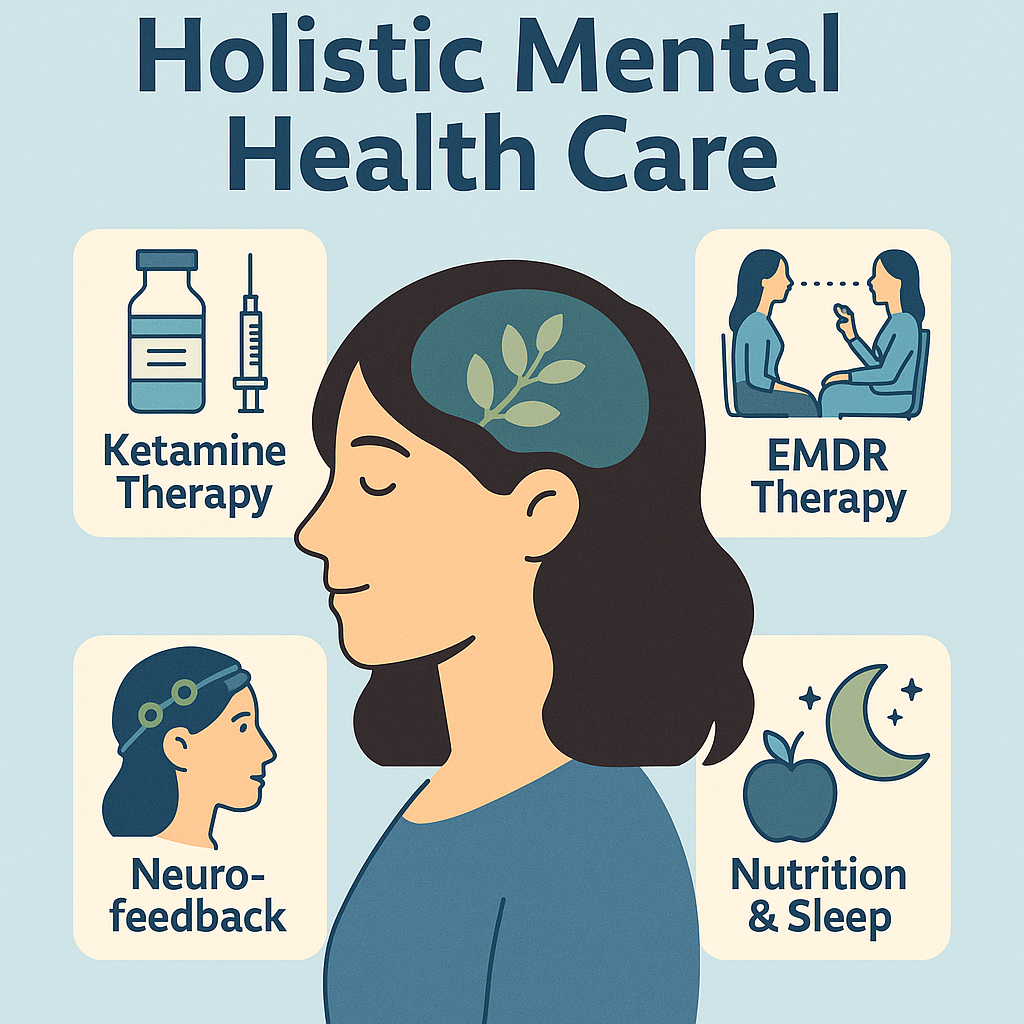
Sacramento is changing. More people are rethinking how they approach mental health, and for good reason. Long waitlists, rushed sessions, and one-size-fits-all prescriptions just don’t cut it for many anymore. In their place, something different is taking root: care that feels more human, more complete, and more in sync with the whole person. If you’ve […]
PTSD Treatment That Goes Beyond Talk Therapy
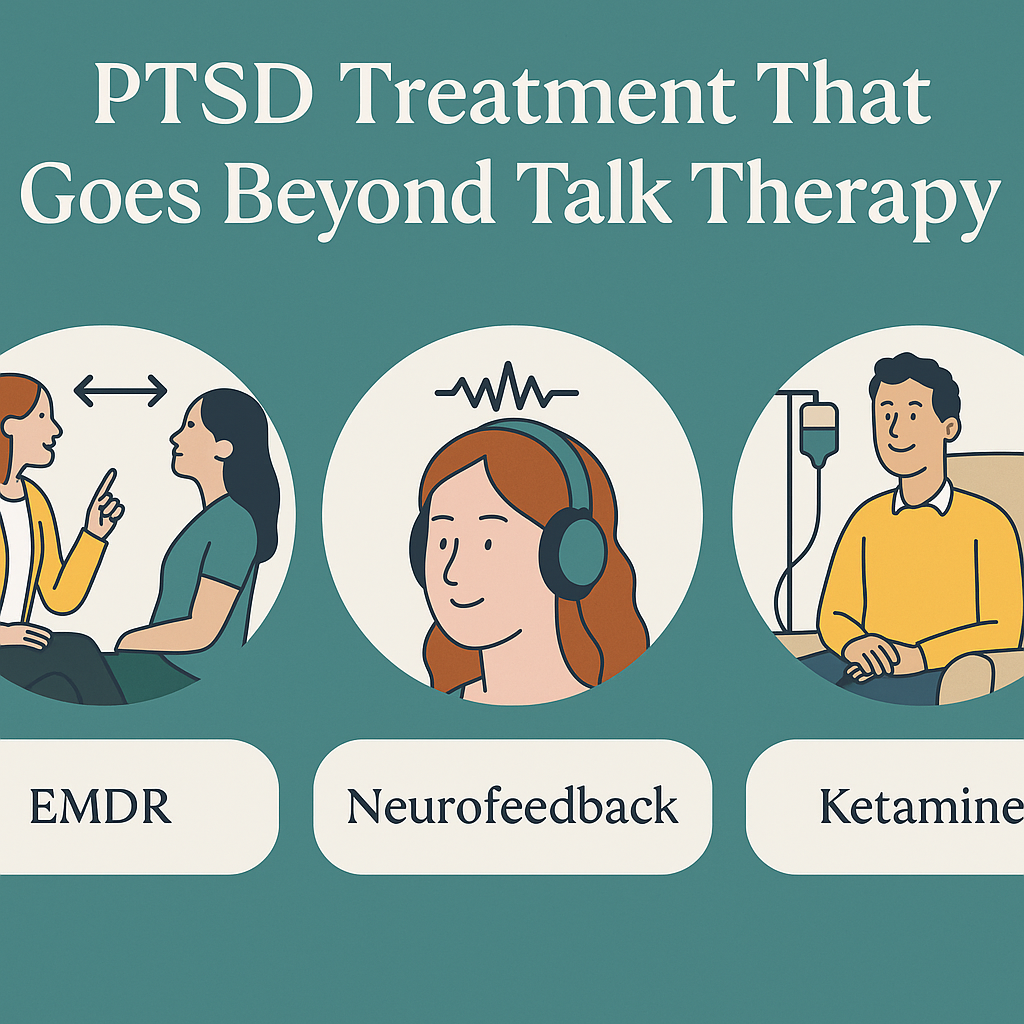
Sometimes talking feels like the only thing you can do. You go into a therapy session and share your story again and again. You unpack old wounds, hoping each word makes the pain a little lighter. For many people, this works. It helps them breathe easier, sleep better, and move forward. But what if it […]
Not All PTSD Treatment Is Created Equal: What Real Trauma Recovery Looks Like

Some people describe trauma as a lightning strike. Others describe it more like a slow flood. Either way, when the body decides a threat is too big, it holds onto the memory, sometimes for years. The result is often a pattern of symptoms that can look like anxiety, anger, emotional detachment, or panic. That is […]