Hypertension, also called high blood pressure, condition that arises when the blood pressure is abnormally high. Hypertension occurs when the body’s smaller blood vessels (the arterioles) narrow, causing the blood to exert excessive pressure against the vessel walls and forcing the heart to work harder to maintain the pressure. Although the heart and blood vessels can tolerate increased blood pressure for months and even years, eventually the heart may enlarge (a condition called hypertrophy) and be weakened to the point of failure. Injury to blood vessels in the kidneys, brain, and eyes also may occur.
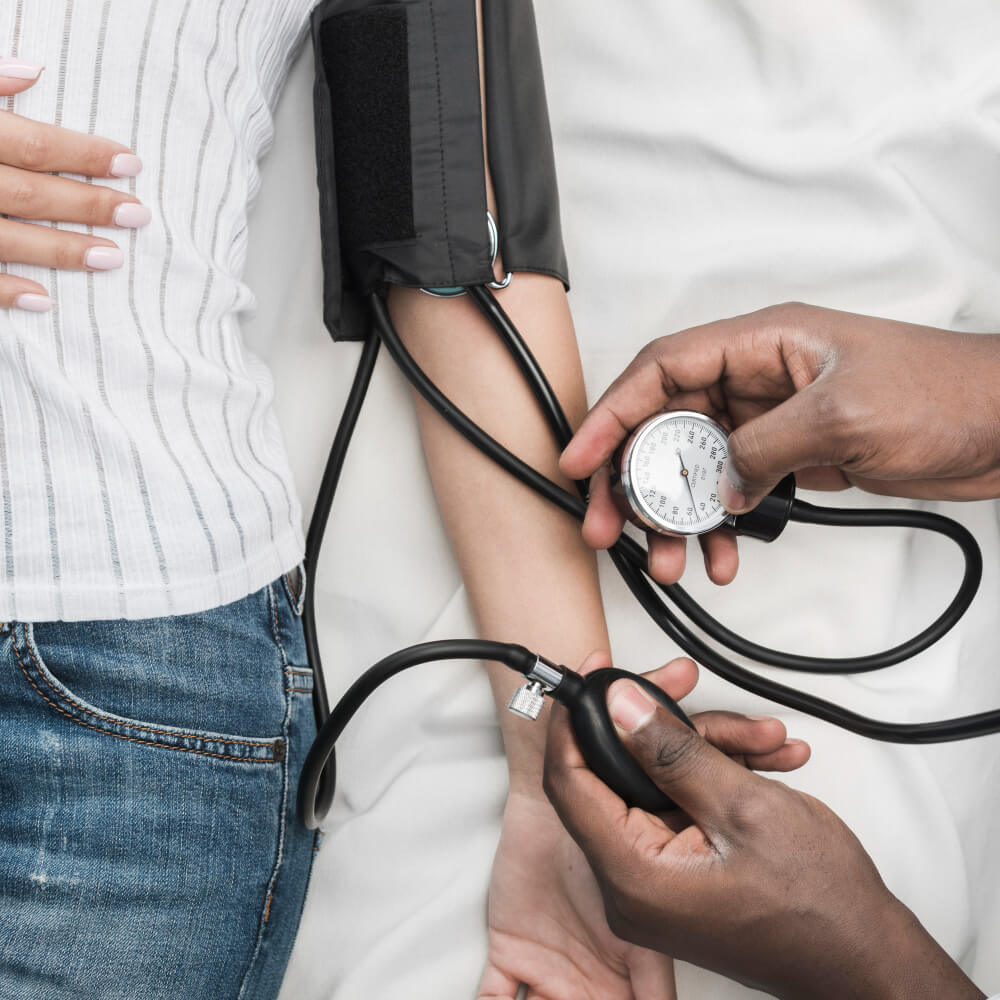
Normal blood pressure is below 120/80. New guidelines from the American Heart Association (AHA) and the American College of Cardiology (ACC) published in November of 2017 consider blood pressure elevated between 120/80 and 129/80. High blood pressure or hypertension is now classified as stage 1 if your systolic reading falls between 130 and 139 or your diastolic reading is between 80 and 89. A measure of 140/90 or higher is now considered stage 2 hypertension. A hypertensive crisis is defined as a systolic rate over 180 or a diastolic rate above 120. Elevated blood pressure means that the heart must work harder to pump blood. High blood pressure can also damage the walls of the arteries. Over time, hypertension increases the risk of heart disease, kidney disease, and stroke. It is estimated that one in three adults in America is affected by hypertension.
High blood pressure is more common in older people. At age 45, more men have hypertension than women. By age 65, this is reversed and more women are affected. People with diabetes have a greater risk of hypertension than those without diabetes. Having a close family member with high blood pressure also increases your risk of developing it. About 60% of all people with diabetes also have hypertension.
What Are the Symptoms of Hypertension?
Most people with high blood pressure have no signs or symptoms, even if blood pressure readings reach dangerously high levels.
A few people with high blood pressure may have headaches, shortness of breath, or nosebleeds, but these signs and symptoms aren’t specific and usually don’t occur until high blood pressure has reached a severe or life-threatening stage.
Treatment
Effective treatment will reduce overall cardiovascular morbidity and mortality. Nondrug therapy consists of:
- Relief of stress
- Dietary management (restricted intake of salt, calories, cholesterol, and saturated fats; sufficient intake of potassium, magnesium, calcium, and vitamin C)
- Regular aerobic exercise
- Weight reduction
- Smoking cessation
- Reduced intake of alcohol and caffeine.